I
sure get a little nervous when my doctor combines treatments and canals in the
same sentence. Justifiably my patients react the same way when I recommend a
root canal treatment.
When
it becomes impossible to restore a severely decayed or fractured tooth merely
with a filling or crown I have to recommend root canal therapy or extraction. I
still get people fidgeting and wincing at the thought.
The
vast majority of root canal treatments are successful and are provided with
minimal discomfort. Just like the TV news and printed newspapers we only hear
about tragic events, crumbling economies and horrible acts done by man. In
other words no news is good news. So the uneventful successful root canal fillings
go by unnoticed.
There
are a few failures. It ranges between 2% to 5%. Some teeth are just untreatable
or not worth the time and expense due to predictable unfavorable outcomes.
Root canal myths abound. Root canal treatments remove the
roots, pulling a tooth is better than a root canal filling, pregnant women
can’t have root canals, root canals cause illness, and if it doesn’t hurt don’t
fix it with a root canal. These are just myths. Let me explain.
Anatomically,
the teeth are formed with a hard outer enamel shell covering a less dense
dentin core. This core protects the pulp of the tooth which has a nerve and
blood supply. When trauma or bacterial invasion penetrates through the enamel
and into the dentin core the living tissues of the pulp will die off leaking
out into the bone through the end of the root and causing an abscess to form.
Pain may not be present when the dentist
examines the x-rays and finds a latent abscess or dead tooth. The tooth is best
treated before a severely painful infection develops. Infections will
compromise pain control and the outcome of the treatment. Do not delay.
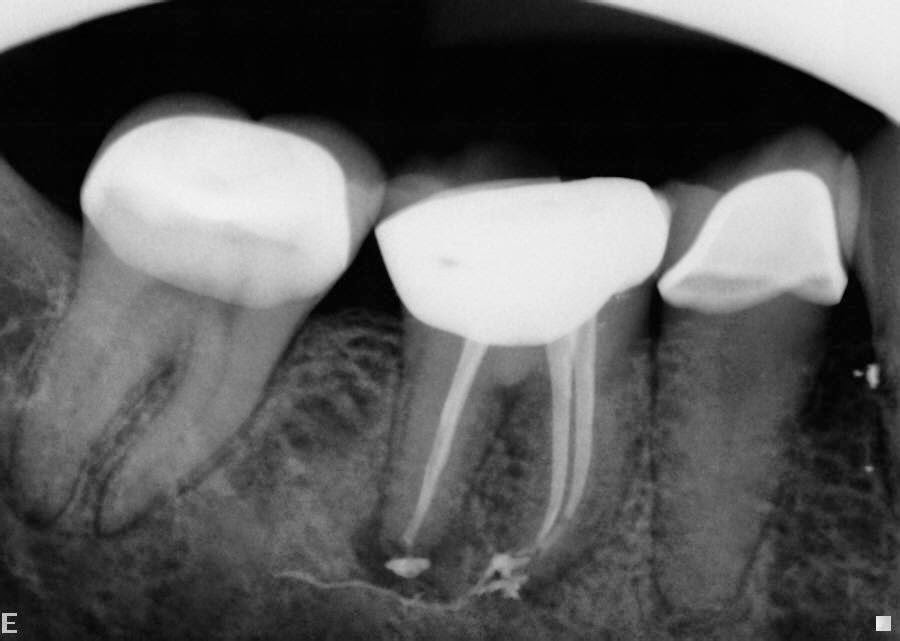
Root
canal fillings obliterate the space that was once occupied by the nerve. It
takes a lot of clinical know-how and patience to place these fillings. Once
placed the fillings need protection from the mouth fluids with a restoration
like a crown or sealed filling.
Root
canal fillings can be placed during pregnancy without any special precautions.
Also, there is no evidence to suggest that root canal treatments will develop
into an illness. Save your teeth if you
can. In the long run it is far easier the alternatives.
Do
all crowns need root canal fillings first? No. Only about 20% of crowned teeth
will need root canal fillings later on in normal situations. Do most root canal
fillings need crowns? Yes. Root canal filled teeth become brittle and may
fracture later so they require full coverage of the chewing surface. Once
properly restored the tooth should perform like a normal tooth for a long time.
For answers to your dental questions, contact
Douglas Urban DDS
Cerritos Southcoast Dental
(562)924-1523.
Or visit our website at www.DrDouglasUrban.com
For answers to your dental questions, contact
Douglas Urban DDS
Cerritos Southcoast Dental
(562)924-1523.
Or visit our website at www.DrDouglasUrban.com


