Wednesday, October 28, 2015

Revisiting an Old Problem-Periodontal Disease

A reoccurring issue for many patients seems to be periodontal disease. It is a painless and insidious disease that erodes the periodontal tissue and bone structure. Bacteria is the culprit of this contagious disease and we are constantly searching for options to assist us in destroying the many different strains of it. Dr. Urban has written several articles addressing this problem. This is a link to a previously published article he wrote for the Cerritos Community Newspaper.

Bonnie Hokanson

Wednesday, June 17, 2015

Dr. Urban on Today’s Dentistry/Osteoporosis and Dentistry

Dr. Urban on Today’s Dentistry/Osteoporosis and Dentistry

Osteoporosis a disease characterized by the loss of bone mineral density. The bones become more susceptible to fracture and compression fractures. It affects mainly women, but can affect men as well. To treat osteoporosis doctors prescribe a class of drugs called bisphosphonates (i.e. Fosamax, Boniva, Actonel, Reclast). Also, people who have such conditions as Paget’s disease, multiple myeloma, and hyperparathyroidism are often prescribed this type of medication to slow down the “eating away” of the bone. It is a valuable asset in medicine, but it may come with unexpected dental side effects.

To read the rest of this article please click on the following link. 


Friday, June 12, 2015

Dr. Urban on Today’s Dentistry/Oral health and heart disease

Research indicates that people with periodontal disease are twice as likely to have heart disease, "It seems the most common bacteria in the gums may cause blood clots increasing the incidence of heart attacks and strokes. Furthermore the same bacteria can infect the heart valves."

To read this article written by Douglas Urban, DDS click on the following link.

Oral health and heart disease

Thursday, June 11, 2015

Dr. Urban on Today’s Dentistry/Will It Hurt? Pain Control in Dentistry

Modern technology allows dentists to perform work in more comfortable manner. "Techniques for nearly painless placement of anesthetics require great operator care patience. Computer guided placement of anesthetic doses have had a great response from pateints. Topical anesthetics (without injection) are more powerfil than ever and can adequately numb the teeth and gums for minor work."

To read this entire article, written by Douglas Urban, DDS, click on the following link.

Will It Hurt? Pain Control in Dentistry

Dr. Urban on Today’s Dentistry/I Hate My Dentures! Fixing Loose Dentures With Mini Implants

If a person has the experience of dealing with loose dentures there are other options. Implants can be attached to an existing denture and be converted to an implant denture. Implant dentures snap into areas of the mouth allowing the denture to fit better. Please click on the following link, written by Dr. Urban, to read more about this procedure.

I hate My Dentures! Fixing Loose Dentures

Tuesday, August 5, 2014

We Love Birthday Celebrations! (At Douglas Urban DDS, Cerritos Southcoast Dental, Dentist in Cerritos)

Not too long ago Shelley N. had a birthday. As usual we all joined in the celebration. Shelley works as an assistant with Dr. Urban as well a receptionist at the front desk. All of us enjoy celebrating special occasions and this one was no different. We had lunch together, which is a rare occasion, and completely enjoyed the day.  

The above photo is of Shelley N. and her delicious birthday cake.

Douglas Urban, DDS 

Left to Right
Shelley, Dona and Teri

Lilly and Shelley

Bonnie and Allison

Thursday, July 24, 2014

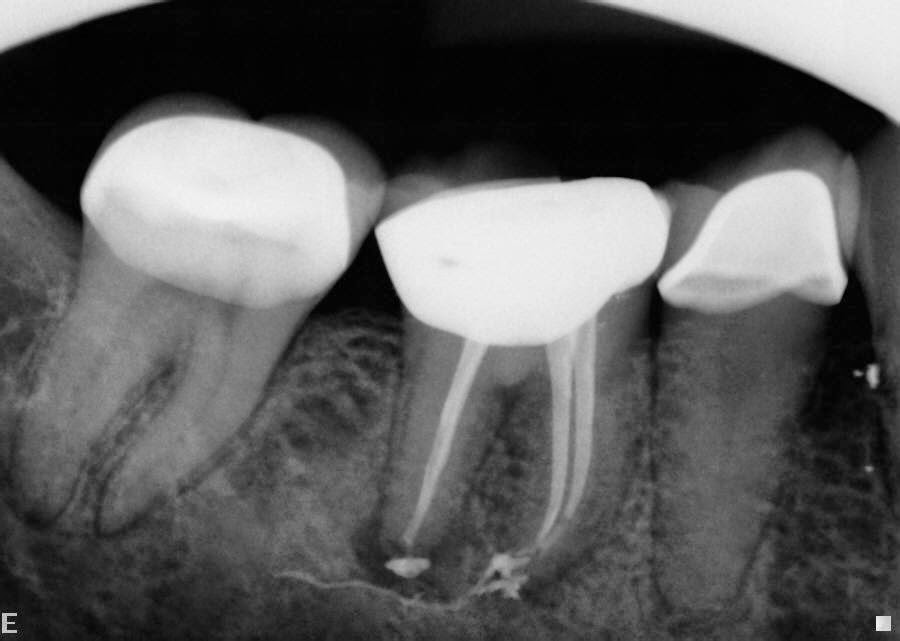
Dr. Urban on Today’s Dentistry / What is a Root Canal? #What is a root canal?


I sure get a little nervous when my doctor combines treatments and canals in the same sentence. Justifiably my patients react the same way when I recommend a root canal treatment.

When it becomes impossible to restore a severely decayed or fractured tooth merely with a filling or crown I have to recommend root canal therapy or extraction. I still get people fidgeting and wincing at the thought.

The vast majority of root canal treatments are successful and are provided with minimal discomfort. Just like the TV news and printed newspapers we only hear about tragic events, crumbling economies and horrible acts done by man. In other words no news is good news. So the uneventful successful root canal fillings go by unnoticed.

There are a few failures. It ranges between 2% to 5%. Some teeth are just untreatable or not worth the time and expense due to predictable unfavorable outcomes.

Root canal myths abound. Root canal treatments remove the roots, pulling a tooth is better than a root canal filling, pregnant women can’t have root canals, root canals cause illness, and if it doesn’t hurt don’t fix it with a root canal. These are just myths. Let me explain.

Anatomically, the teeth are formed with a hard outer enamel shell covering a less dense dentin core. This core protects the pulp of the tooth which has a nerve and blood supply. When trauma or bacterial invasion penetrates through the enamel and into the dentin core the living tissues of the pulp will die off leaking out into the bone through the end of the root and causing an abscess to form.

 Pain may not be present when the dentist examines the x-rays and finds a latent abscess or dead tooth. The tooth is best treated before a severely painful infection develops. Infections will compromise pain control and the outcome of the treatment. Do not delay.

Root canal fillings obliterate the space that was once occupied by the nerve. It takes a lot of clinical know-how and patience to place these fillings. Once placed the fillings need protection from the mouth fluids with a restoration like a crown or sealed filling.

Root canal fillings can be placed during pregnancy without any special precautions. Also, there is no evidence to suggest that root canal treatments will develop into an illness.  Save your teeth if you can. In the long run it is far easier the alternatives.

Do all crowns need root canal fillings first? No. Only about 20% of crowned teeth will need root canal fillings later on in normal situations. Do most root canal fillings need crowns? Yes. Root canal filled teeth become brittle and may fracture later so they require full coverage of the chewing surface. Once properly restored the tooth should perform like a normal tooth for a long time.

For answers to your dental questions, contact
 Douglas Urban DDS 
Cerritos Southcoast Dental
(562)924-1523. 
Or visit our website at www.DrDouglasUrban.com